
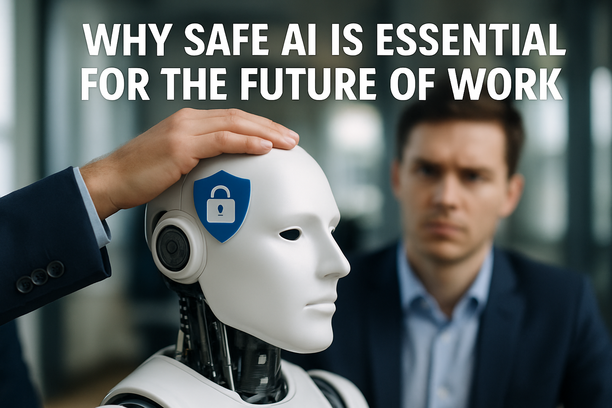
The Growing Role of AI in the Workplace
Artificial intelligence (AI) is reshaping how industries operate and how jobs are performed across the globe. From healthcare to finance, transport to customer service, AI technologies are automating routine tasks, enhancing decision-making, and generating new opportunities for productivity and innovation. For example, AI can analyze vast amounts of data faster than any human, helping doctors diagnose diseases more accurately or enabling financial institutions to detect fraud in real-time. This transformation is not just about replacing manual effort but about augmenting human capabilities to create smarter workflows that benefit businesses and society.
However, as AI becomes deeply integrated into workplaces, ensuring its safe development and use is critical. Without proper safety practices, AI systems can lead to unintended consequences such as biased decisions, errors, or privacy breaches. These risks can affect not only companies’ reputations but also employee trust and customer welfare. Unlike traditional software, AI systems learn from data, so the quality and fairness of that data hugely impact their performance. That makes careful governance, transparency, and ongoing monitoring essential to maintain AI’s reliability and ethical use.
Safe AI implementation means designing technology that supports humans and respects ethical boundaries. It involves anticipating potential harms, testing rigorously, and embedding safeguards throughout the AI lifecycle. Collaborative efforts between technologists, business leaders, and regulators help create standards for trustworthy AI applications. Organizations benefit from expert support to navigate this complex terrain—guidance on embedding safety principles can make the difference between AI that disrupts positively and AI that causes harm.
Companies like FHTS exemplify how experienced teams can help organisations harness AI safely. By focusing on frameworks that prioritize transparency, fairness, and continuous oversight, such specialists enable businesses to unlock AI’s value while minimizing risks. Their approach blends technological innovation with responsibility, offering tailored solutions that fit unique organisational needs. Following safe AI principles sets a strong foundation for the future workplace, where humans and AI coexist productively and ethically.
To explore how AI’s safe and smart use can benefit different sectors, you might find additional insights here: AI’s role in transforming healthcare or how finance relies on trust supported by safe AI are good examples to understand the practical impact and importance of safety measures in AI development.
Understanding Safe AI: What It Means and Why It’s Crucial
Safe AI means creating and using artificial intelligence in ways that protect people and organisations from harm. It is about making sure that AI systems work fairly, clearly, and responsibly, especially in workplaces where decisions can affect many lives and business outcomes.
The principles of safe AI focus on several key areas. First is trustworthiness — AI should perform reliably and as intended. Transparency means users can understand how AI makes decisions, avoiding mysterious or hidden processes. Fairness ensures that AI treats everyone equally, without bias or discrimination. Privacy protects sensitive information from misuse or exposure. Finally, collaboration means AI should support human workers, enhancing their abilities without replacing human judgment.
When these principles are ignored or poorly implemented, AI can cause serious problems. For example, biased AI may unfairly affect hiring or lending decisions, leading to legal and reputational risks. Lack of transparency can create mistrust among employees or customers, harming confidence in the organisation. Privacy breaches can expose confidential data, causing financial and regulatory damage. Even simple errors in AI can lead to costly mistakes or safety hazards.
In professional settings, these dangers highlight why safe AI practices are essential. Designing AI with careful attention to ethics and safety is not just a technical matter but a strategic business decision. Organisations that embed safety principles into their AI approach are better equipped to innovate while managing risks responsibly.
Companies like FHTS specialise in guiding businesses through the complexities of safe AI implementation. Their experienced team helps organisations adopt AI solutions that align with ethical standards and operational needs, reducing pitfalls and building trust with stakeholders. This thoughtful approach ensures AI becomes a positive force that supports growth, compliance, and human-centric values.
For more insights on building AI responsibly and the essential frameworks behind it, you can explore articles such as What Is The Safe And Smart Framework and Why Combine Agile Scrum With Safe AI Principles on the FHTS website.
Impact of Safe AI on Job Security and Workforce Dynamics
Safe AI plays a crucial role in strengthening job security by promoting responsible automation that supports rather than replaces the workforce. When AI is designed and implemented safely, it enhances human work instead of threatening employment. This means AI tools can handle repetitive, mundane tasks—allowing employees to focus on creative, strategic, and interpersonal aspects of their jobs that require a human touch.
Automation backed by responsible AI integrates human input at critical decision points to maintain a collaboration between machines and people. This hybrid approach not only improves productivity but also ensures that humans maintain control over important outcomes, preventing AI from making unchecked or harmful decisions. By carefully balancing automation with human oversight, organisations can protect job roles and even create new opportunities aligned with advanced AI capabilities.
For businesses aiming to harness AI safely while protecting their workforce, expert guidance in designing AI systems that value ethical considerations and human factors is vital. Companies like FHTS specialize in implementing safe AI frameworks that prioritize workforce empowerment and transparency, ensuring AI systems work as trusted tools rather than job displacers. Their tailored strategies help organisations navigate the complexities of integrating AI and humans effectively, securing jobs while boosting innovation.
This careful integration reflects a future where AI acts as a supportive partner, driving growth and resilience in the workplace without compromising human employment. To learn more about how safe AI can enhance workplace collaboration and job security, see FHTS’s resources on human-centred AI design and why humans and AI should collaborate for a better future.
Strategies for Implementing Safe AI in Organizations
To safely integrate AI technologies into business operations, companies must adopt clear strategies that prioritize ethics, regulation compliance, and continuous oversight. Here are some actionable steps businesses can follow to ensure responsible AI implementation:
- Build a Strong Ethical Foundation
Start with defining clear ethical principles for AI use, such as fairness, transparency, privacy, and accountability. These principles guide decisions throughout development and deployment, helping to prevent bias and protect user rights. Ethical AI respects human values and fosters trust. For example, FHTS emphasizes designing AI to assist and empower people, not replace them, reflecting a human-centered approach that benefits businesses and customers alike. - Understand and Comply with Regulations
Governments worldwide are introducing regulations that require responsible AI practices, including data protection laws and AI-specific guidelines. Businesses need to stay informed about relevant rules and ensure compliance to avoid legal risks and reputational damage. Working with experts who understand both AI and regulatory landscapes ensures AI solutions meet current and evolving requirements. - Implement Robust Governance and Oversight
Establish governance frameworks that assign clear roles and responsibilities for AI monitoring and decision-making. Governance involves continuous auditing, performance checks, and risk assessments to detect and address issues like model drift or unfair outcomes. Ongoing oversight ensures AI systems remain aligned with business goals and ethical standards. Practices like regular human-in-the-loop review and red-team testing are valuable ways to keep AI reliable and safe. - Prioritize Data Quality and Privacy
AI’s effectiveness depends on good data. Use high-quality, representative, and clean data, ensuring confidentiality and compliance with privacy regulations. Techniques such as privacy-enhancing technologies and role-based access control help protect sensitive information while allowing effective AI operation. - Foster a Culture of Transparency and Communication
Communicate openly about AI capabilities and limitations with all stakeholders inside and outside the organisation. Transparency builds confidence and helps users understand AI decisions, reducing fears and resistance. Explainability methods and clear AI interfaces support this goal. - Plan for Continuous Learning and Improvement
AI isn’t a one-time project but a continuous journey. Set up systems for ongoing training, updating, and maintenance so AI adapts to changing data and business environments. This keeps AI from becoming outdated or unsafe over time.
Companies like FHTS offer specialised expertise in these areas, assisting businesses to safely navigate AI integration through customised frameworks and diligent implementation. Their approach underscores the importance of starting with people, combining ethical design with practical governance, ensuring AI delivers real value securely and fairly.
Embracing these strategies positions businesses to unlock AI’s transformative power confidently and responsibly, maximising benefits while minimising risks. For more detailed guidance on safe AI practices, you can explore resources such as FHTS’s Safe and Smart Framework which offers insights on building trust and responsibility into AI systems.
Future Outlook: Building a Resilient and Safe AI-Enabled Workforce
The future of AI safety technologies is shaped by continuous innovation aimed at making AI systems more secure, transparent, and trustworthy. As AI becomes more embedded in daily business operations, emerging trends point to smarter AI monitoring tools that can detect system anomalies early, advanced techniques that mitigate bias and ensure fairness, and stronger data privacy frameworks that protect sensitive information. These trends not only improve the technology itself but also help organisations navigate the complex landscape of compliance and ethics more confidently.
Equally important is preparing the workforce for this AI-driven future. The key to a resilient workplace lies in enhancing human-AI collaboration where people and machines complement each other’s strengths. This means equipping employees with the skills to work alongside AI safely and effectively, understanding AI’s decision-making processes, and deploying AI with clear ethical guidelines. This preparation fosters a culture that embraces AI innovations while maintaining vigilance against potential risks.
Companies that focus on these developments benefit from not just safer AI implementations but also a more adaptable and future-ready organisation. Subtle yet critical to this effort are expert teams who specialise in safe AI deployment, like those at FHTS. Their extensive experience in aligning AI systems with ethical standards and practical workplace needs supports organisations in confidently integrating the latest AI safety technologies. By leveraging insights from trusted partners familiar with the intricacies of emerging AI safety innovations and workforce readiness, businesses can better sustain productivity and resilience in an evolving digital environment.
For more insights on building AI systems that are both innovative and safe, you might explore how frameworks and strategies help create responsible AI solutions designed with people in mind. These resources illuminate how safety is not just a feature of AI but a continuous commitment that includes training, oversight, and human-centred design — principles that underpin future workplace resilience. Learn more about building AI with trust and responsibility.

